
Program on Environmental Rehabilitation and Conservation in Asian Countries
1-1 Project on Greening Initiative Aimed at Sustainable Forest Management in Siem Reap Province, Cambodia (Phases 1 and 2)
In Siem Reap Province, rapid economic development, urbanization, and population growth have increased environmental pressures, including deforestation, biodiversity loss, and disruptions to natural water cycles. In response to these challenges, this project has promoted afforestation activities to encourage local communities to actively engage in forest conservation and management. During Phase 2, afforestation activities were expanded to community-shared land adjacent to the secondary school where tree planting had been carried out in Phase 1. As a result, a total of 5,600 trees were planted. In addition, workshops on the importance of forests and biodiversity were organized for local residents, while training on forest management was provided to a newly established community forest management group.
These activities further enhanced local awareness of forest conservation and biodiversity protection and represented a significant step toward establishing a community-based mechanism for the long-term conservation and sustainable management of the site. Phase 1 laid the foundation for these efforts through tree-planting activities at the secondary school. Subsequent supplementary planting conducted in June 2025 increased the total number of seedlings planted during Phase 1 to 5,750. Questionnaire survey results also indicated strong community interest in continued participation in forest conservation activities. Supplementary planting for Phase 2 is scheduled for June 2026, and preparations for Phase 3 are currently underway.
1-2 Project on the Restoration of Satoyama Landscapes in Tboung Khmum Province, Cambodia(Phases 1 and 2)
In Tboung Khmum Province, where deforestation and forest degradation have intensified due to the expansion of plantation agriculture since the 1990s, the project has promoted afforestation activities aimed at Satoyama restoration and enhancing local participation in sustainable forest management. During Phase 2, a new afforestation site was established at a pagoda in Memot District, where a total of 5,600 seedlings were planted. The activity involved not only the head monk but also local residents, including children, demonstrating strong community engagement.
Although the site included sloping terrain and the planting work was physically demanding, participants actively took part in the activity. The pagoda proved to be a particularly suitable location, as it was easily accessible to local residents and provided favorable conditions for the continued care and monitoring of planted trees. The involvement of children also created a valuable opportunity to foster awareness of forest restoration across generations within the community. Monitoring conducted in December confirmed a seedling survival rate of approximately 80%, despite partial damage caused by monkeys.
Phase 1 provided important lessons for site management through planting activities at a primary school and a temple, where a total of 5,600 seedlings, including supplementary planting, were established. Monitoring at the primary school revealed a relatively low survival rate due to drought conditions. However, survival rates improved following the installation of a water storage tank and more frequent watering, underscoring the importance of continuous maintenance and water management during dry periods. Supplementary planting for Phase 2 is scheduled for June 2026, and regular monitoring and maintenance activities will continue. Preparations for the next phase of the project are also underway.
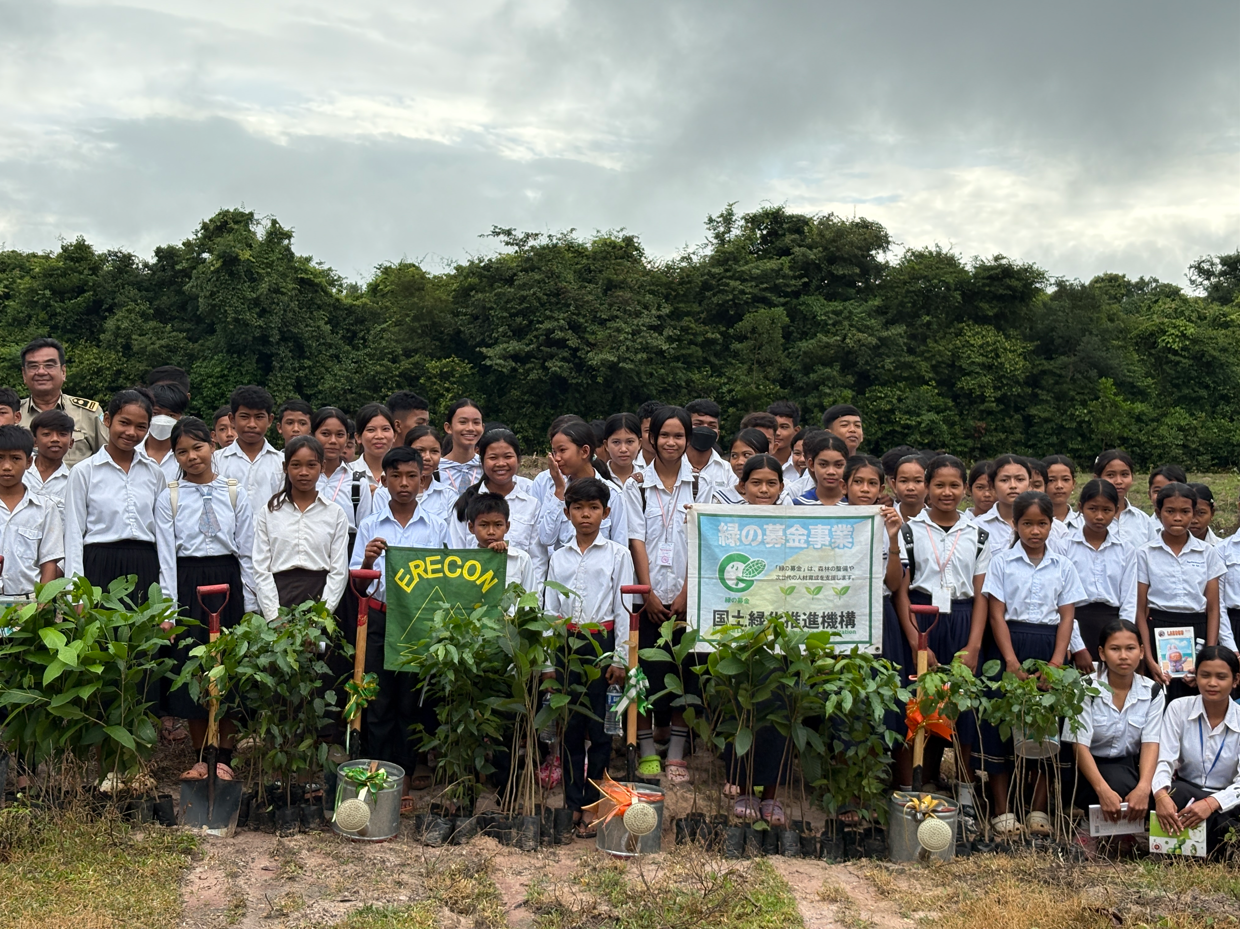
Photo. 1 Tree planting activity in Siem Reap Province, Cambodia (Project 1-1)
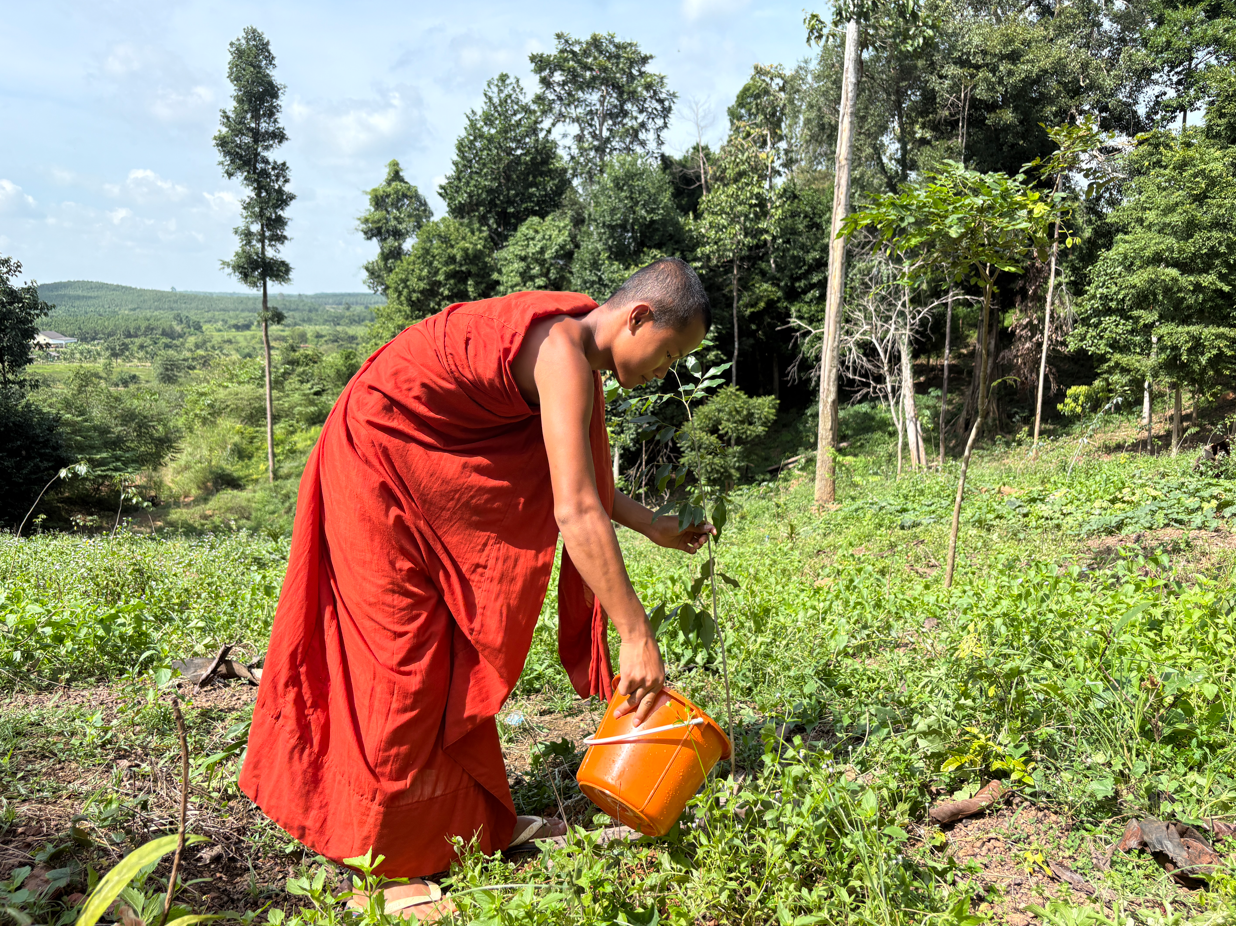
Photo. 2 Watering planted trees at the pagoda in Tboung Khmum Province,
Cambodia (Project 1-2)
1-3 Project on Post-Planting Monitoring and Maintenance Activities to Promote Afforestation and Forest Restoration in Cambodia (Phase 1)
The project has continued post-planting monitoring and management activities at reforestation sites established through planting activities conducted in 2023 and 2024 across three provinces in Cambodia: Kampong Cham, Tboung Khmum, and Siem Reap. These activities focused on the second- and third-year follow-up of reforestation initiatives implemented for school greening, forest restoration, and community awareness-raising. In Kampong Cham Province, tree planting was carried out in 2023 across all ten districts with the aim of rehabilitating degraded lands. At each site, forest management groups formed by local residents have continued to take responsibility for planting site management and maintenance. In Tboung Khmum Province, school greening and environmental education activities were implemented in 2023 at 16 primary schools.
In 2024, additional greening activities were undertaken to conserve a lake ecosystem whose biodiversity has been threatened by rapid forest loss resulting from agricultural expansion and bushfires. Teachers from the target schools, together with farmers and fishers living around the lake, have played a central role in site management and monitoring activities. In Siem Reap Province, agroforestry systems combining native tree species with cash crops were introduced in 2024 on degraded lands that had lost forest resources due to rapid agricultural development. The local forest patrol group has continued to manage the 15-hectare planting site, cultivate cash crops, and replant nursery-raised seedlings to maintain and expand forest cover. Through regular monitoring, close collaboration with local communities, and continued capacity-building efforts, the project will further strengthen post-planting management and enhance the long-term sustainability of these reforestation initiatives.
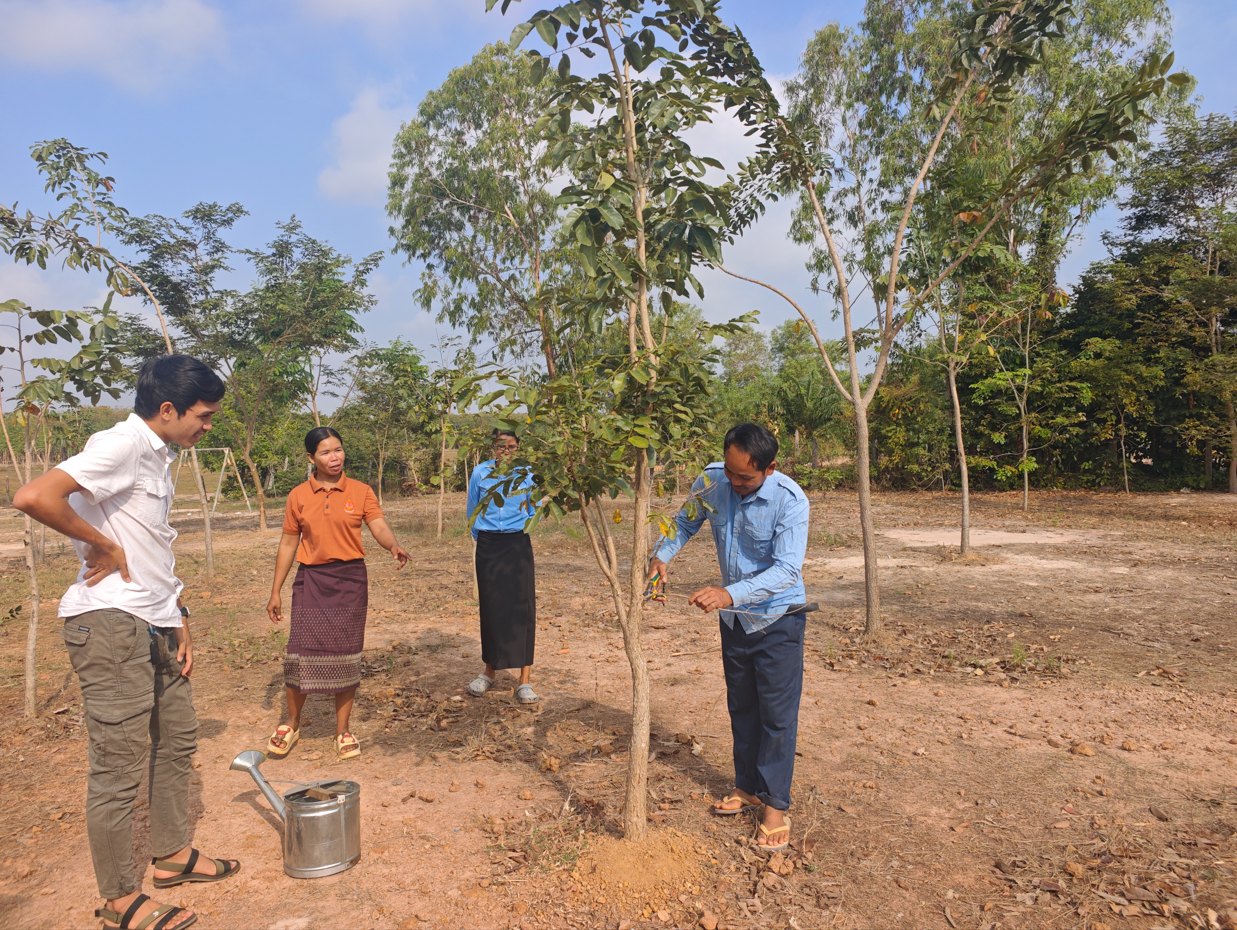
Photo. 3 Post-planting monitoring and maintenance activities in Tboung Khmum Province, Cambodia (Project 1-3)