
Program on Environmental Education in Asian Countries
3-1 JICA Nikkei Training
From May to August 2025, ERECON implemented the training course entitled “Training on Forest and Soil Management in ESD (Education for Sustainable Development)” under the JICA Nikkei Training, commissioned by the Japan International Cooperation Agency (JICA). The JICA Nikkei Training aims to contribute to the sustainable development of Latin American countries by providing technical training opportunities for people of Japanese descent.
Under this program, two trainees from Brazil participated in the course. The training aimed to develop human resources capable of promoting and applying knowledge and skills related not only to forest and soil management, but also to biodiversity conservation and participatory approaches. Through a combination of lectures, practical exercises, fieldwork, and cultural exchange activities, the trainees acquired comprehensive knowledge and technical skills from both theoretical and practical perspectives.
The trainees delivered their final presentations at JICA Yokohama on 6 August 2025 and subsequently returned to Brazil. It is expected that they will contribute to the development of Nikkei communities in Brazil by applying and sharing the knowledge and skills acquired through the training.
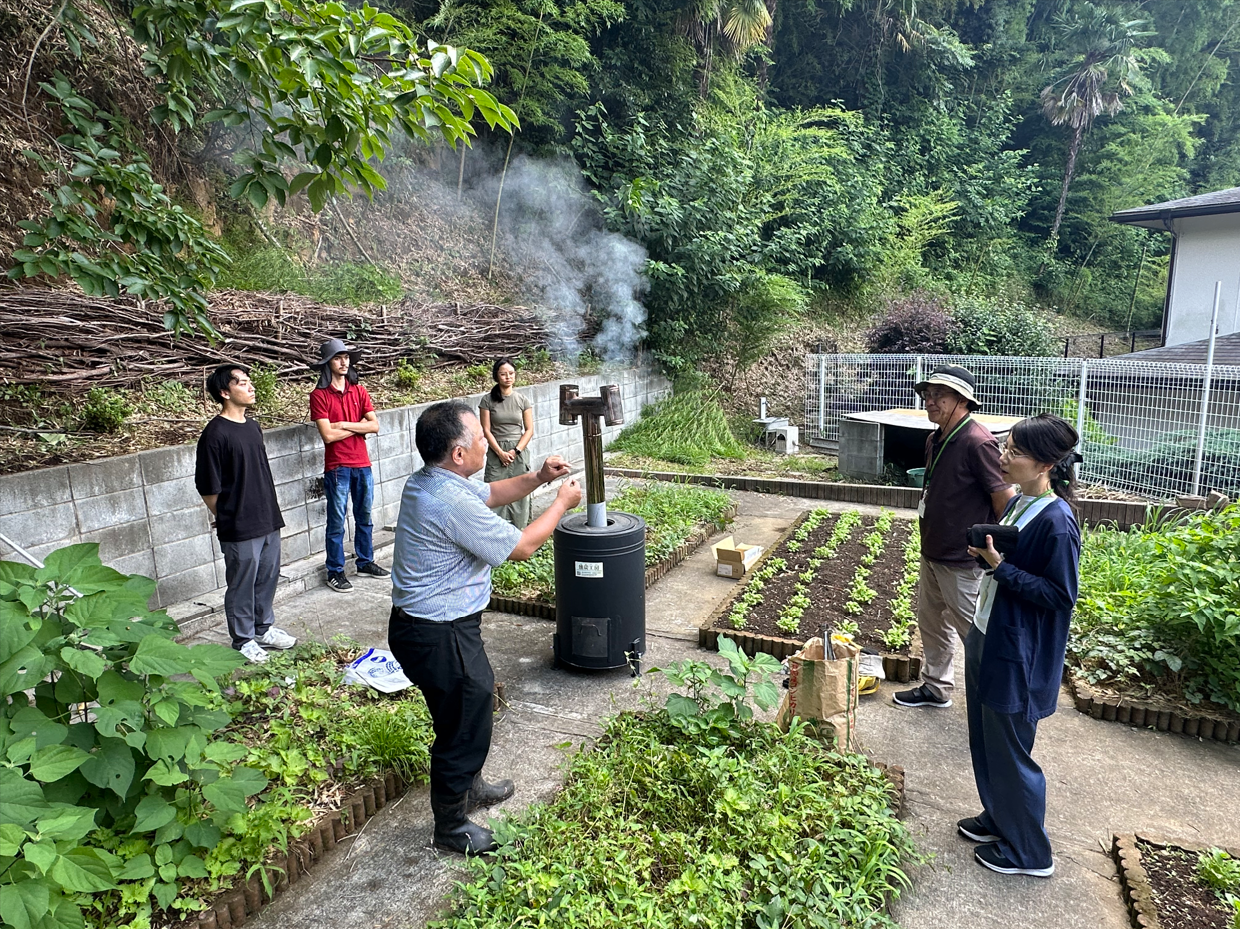
Photo. 6: Charcoal making as a part of training at ERECON
Headquarters in Machida, Tokyo (Project 3-1)
3-2 Overseas Training in Cambodia for Obihiro University of Agriculture and Veterinary Medicine, Japan
As a partner organization in Cambodia, we supported the planning, coordination, and implementation of a six-day overseas training program organized by the International Course of Obihiro University of Agriculture and Veterinary Medicine from September 4 to 9, 2025. Eight participants, including students and faculty members, took part in the training, which provided them with opportunities to gain broad insights into agriculture, livestock production, environmental conservation, as well as the culture and history of Cambodia. The participants first visited the nursery center and primary school at our project site in Siem Reap Province, where they deepened their understanding of local development challenges and the role of NGO activities in addressing these issues.
They also visited the Angkor Centre for Conservation of Biodiversity and surrounding protected areas within the Angkor heritage landscape, where they learned about the multiple functions and ecological importance of forest ecosystems. In addition, a local agricultural cooperative arranged study visits to a poultry farm, a Cambodia GAP-certified farm, and an edible insect farm, enabling participants to gain a better understanding of agricultural practices and rural livelihoods in Siem Reap Province. In Phnom Penh, the group visited the Royal University of Agriculture (RUA), where they observed various research and development activities and exchanged views with university staff and students. On the final day, a presentation session was held during which the Japanese students shared their analyses and proposed solutions based on their training experiences under four themes: agriculture and festivals, fermented foods, forests, and edible insects. During the final discussion, common themes that emerged across the presentations included “tradition,” “food security,” and “community.” These discussions encouraged participants to reflect more deeply on the relationships between these concepts and the broader goals of sustainability and development.
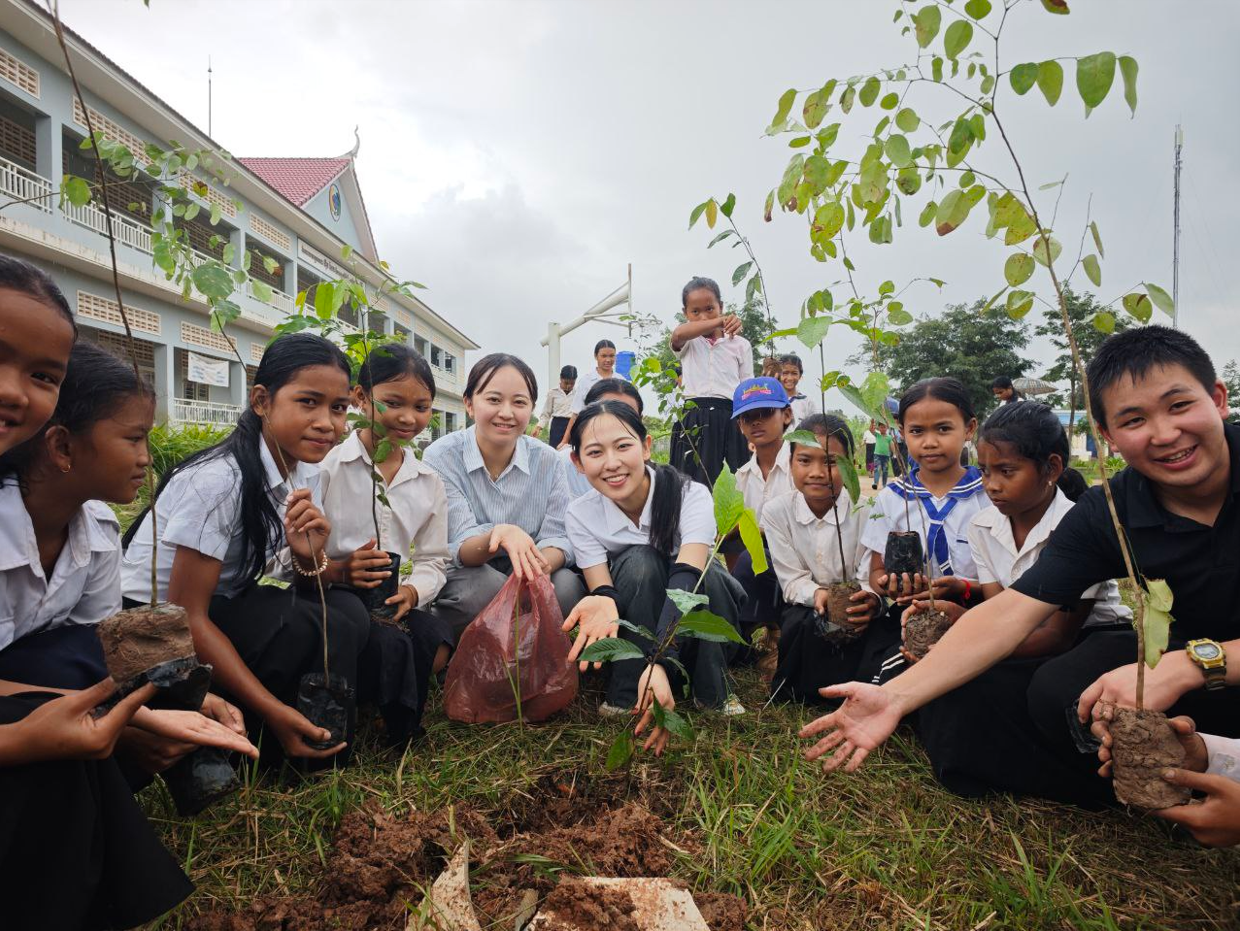
Photo. 7: Planting seedlings at a school in Siem Reap Province,
Cambodia (Project 3-2)
3-3 Overseas Volunteer Training with the Nippon Foundation Volunteer Center, Japan
The Nippon Foundation Volunteer Center organizes and manages domestic and international volunteer programs for young people. Under a program commissioned by the Center, ERECON’s project sites in Cambodia were selected as training venues for Japanese university students interested in international cooperation, education, environmental issues, and volunteer activities.
The training was conducted in November 2025 and March 2026. At the target primary school, the trainees participated in exchange activities with children, supported classroom learning, and organized a sports day as the culminating event of the training. In rural primary schools, where opportunities for socio-emotional learning are often limited, the sports day provided children with a valuable opportunity to engage in cooperative activities and experience the enjoyment of working together toward a common goal.
For the Japanese university students, the training also served as a meaningful opportunity to deepen their understanding of volunteerism and international cooperation. Despite language barriers, they were required to build relationships proactively and collaborate with peers from different universities and regions of Japan.
Through these experiences, they developed practical communication skills, adaptability, and a greater appreciation of cross-cultural understanding. The trainees’ attitudes and actions also appeared to provide local residents and community committee members with an opportunity to reflect on the value of voluntary cooperation for the common good.
In this sense, the training program held significance not only as an exchange activity but also as a complementary initiative that reinforced ERECON’s school-centered approach to community development.
The program is scheduled to continue in 2026, providing further opportunities for mutual learning and collaboration between Japanese youth and local communities in Cambodia.
Photo. 8: Organized sports day during training at a school in
Tboung Khmum Province, Cambodia (Project 3-3)
3-4 Overseas Training in Community Oral Health Field for Kyushu University of Nursing and Social Welfare
Under a commissioned overseas training program, ERECON hosted two students and two faculty members from Kyushu University of Nursing and Social Welfare in November 2025. The university places emphasis on training dental hygienists who understand not only patients’ oral health conditions, but also their broader living environments, social backgrounds, and values. The training was therefore designed to provide participants with an opportunity to broaden their perspectives through direct exposure to different cultural and social contexts. At the primary school in the project site, the trainees conducted cultural exchange activities, including a Japanese dance performance and a “Kumamon” dance, which helped foster interaction with the children. In the classroom, they carried out a food habit mapping survey and conducted health education activities.
They also facilitated exercises exploring cultural differences and commonalities, which deepened their understanding of the daily lives and value systems of children living in rural Cambodia. In addition, the trainees participated in a homestay program in the village, enabling them to gain first-hand experience of rural life and learn directly from local residents. These experiences provided valuable opportunities to reflect on the social and cultural factors that influence health and well-being. The resumption of overseas field training in Cambodia, following a period of interruption caused by the COVID-19 pandemic and other factors, also created a new opportunity for collaboration for ERECON. Given the close interconnections among food, agriculture, environment, and health in community development, this collaboration with Kyushu University of Nursing and Social Welfare was considered particularly meaningful. It demonstrated the potential for developing community- based approaches that utilize food and health as entry points for sustainable community development.
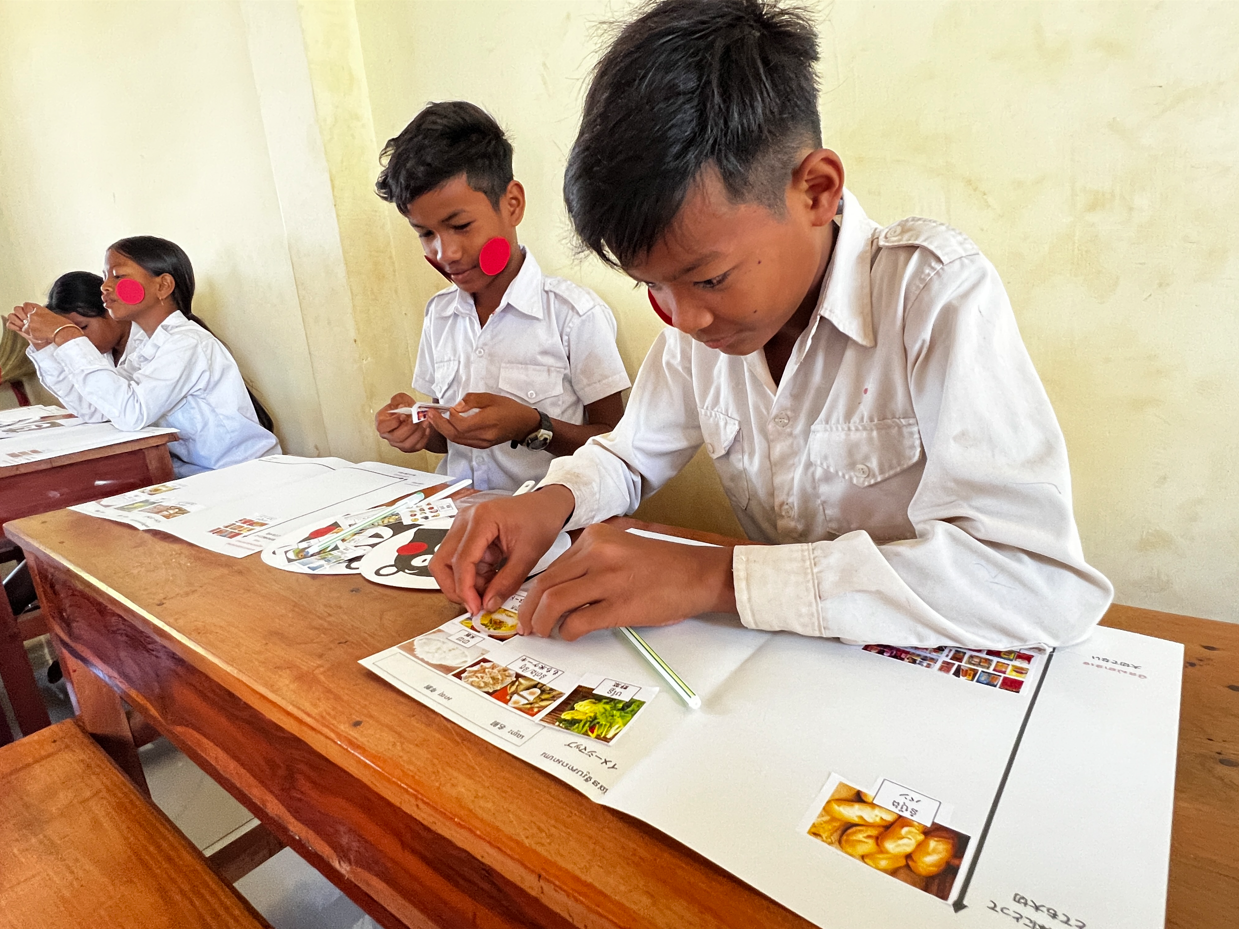
Photo. 9: Food habit mapping survey at a school in Tboung Khmum
Province, Cambodia (Project 3-4)
3-5 International Green Volunteer Training in Cambodia
The International Green Volunteer Training was conducted in Cambodia from 12 to 19 February 2025. The training was jointly organized by the National Land Afforestation Promotion Organization (NALAPO) and ERECON under NALAPO’s Green Fund Program.
The training aimed to enhance participants’ understanding of the importance of forests and environmental conservation through reforestation activities and environmental education. Ten trainees from Japan participated in a variety of lectures on forest management and conservation in Cambodia, visited several reforestation project sites, and engaged in tree-planting activities together with local residents.
The trainees were divided into three groups according to their respective areas of interest and conducted interviews and questionnaire surveys with local residents to collect primary data for their field studies. Through these activities, the trainees gained a deeper understanding of the current status of deforestation in Cambodia, its underlying causes, and the importance of achieving a harmonious relationship between people and nature, particularly forests, for sustainable development.
The findings from the field studies were shared with students at the Royal University of Agriculture (RUA) and further discussed during the final presentation session held in Phnom Penh. The training provided participants with valuable opportunities to integrate classroom learning with field-based experiences and to reflect on the role of forests in sustainable development.
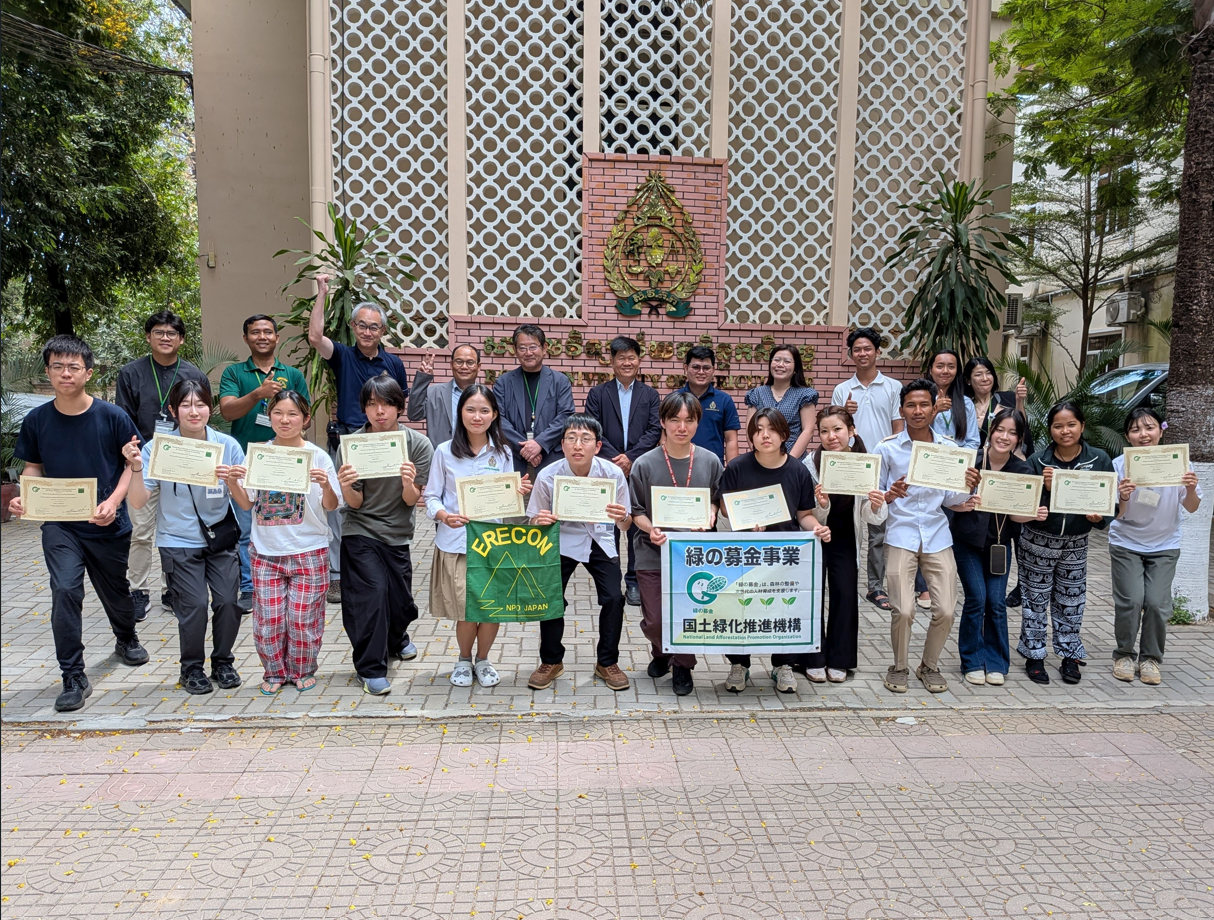
Photo. 10: Group photo after the final presentation of the training
in Phnom Penh, Cambodia (Project 3-5)