
Program on Sustainable Use of Natural Resources in Asian Countries
2-1 Project on Community Development through School Construction and Renovation in Tboung Khmum Province, Cambodia (Phase 3)
This project aims to foster community ownership and promote sustainable school environments and local development through school construction and renovation in rural Cambodia. Specifically, a system has been introduced in which a portion of the construction costs is covered through community contributions, while local residents also provide labor and locally available materials. This approach is intended to strengthen their sense of ownership and responsibility toward both the school and the broader community. In addition, the community's financial contribution is returned in the form of a “Development Fund,” which is used to support school maintenance and community development activities. In Phase 3, four primary schools and their surrounding communities in Tboung Khmum Province were selected as project sites.
All school buildings were successfully completed, and inauguration ceremonies were held at each site. In each school community, community development training sessions were organized to facilitate discussions on potential business opportunities and to clarify future directions for launching community-based enterprises. As a result, committee members developed preliminary business plans. Based on these plans, the communities are expected to utilize the Development Fund and initiate school-centered community development activities. The process of discussing the future of the school and community, and collectively determining how local funds should be utilized, is itself expected to contribute to the development of local ownership and initiative.
Meanwhile, among the six school communities supported during Phases 1 and 2, all but one have continued operating community businesses steadily. Profits generated through these businesses are expected to contribute both to improvements in the school environment and to the livelihoods of local residents. Even in rural Cambodia, where the practice of collective action for public benefit is not yet firmly established, gradual progress has become evident. For example, at Damril Primary School, profits from the community business have been allocated to the installation of a waste incinerator on the school grounds. Such examples suggest the emergence of a sustainable cycle in which benefits are reinvested first in the school and subsequently in the wider community. The project therefore seeks not only to improve individual livelihoods, but also to transform perceptions of schools as shared community assets and to establish a foundation for sustainable community development. Support will continue to enable local residents to play an active role in promoting sustainable school environments and rural development.
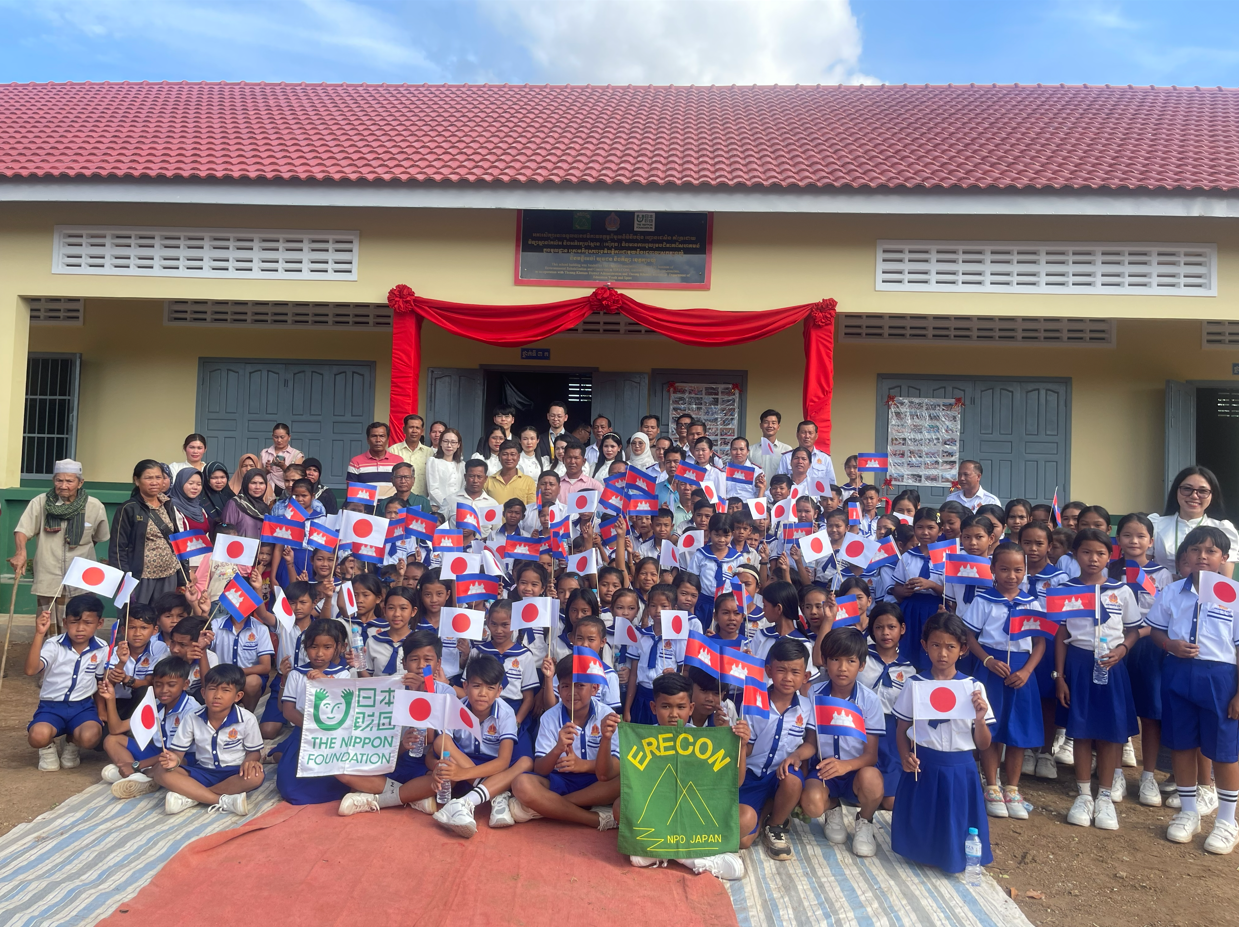
Photo. 4: Inauguration ceremony of a school in Tboung Khmum Province, Cambodia (Project 2-1)
2-2 Project on Promoting Environmental Education through the Development of a Sustainable System for the Conservation, Rehabilitation, and Utilization of Forest Resources in Svay Leu District, Siem Reap Province, Cambodia (Phase 1)
Siem Reap Province has experienced severe deforestation driven by post-conflict economic and population growth, tourism development, and the expansion of cash-crop agriculture. Svay Leu District, one of the most severely affected areas by deforestation in the province, has lost approximately 83% of its primary forest over the past two decades. In response, the project has promoted an integrated approach to forest conservation, restoration, and sustainable resource utilization through environmental education, with the aim of fostering a society in harmony with nature. To reduce pressure on forest resources, the project has sought to promote bio-briquettes produced from cassava stem waste as an alternative household fuel source.
In collaboration with the Royal University of Agriculture (RUA) and the private company Khmer Green Charcoal (KGC), research and development activities on bio-briquette production have been carried out. Meanwhile, in Khna Krao Village, local residents continued their trial-and-error efforts to carbonize cassava stems using traditional kilns constructed from locally available materials. In March 2026, a bio-briquette production workshop was organized at Khna Krao Primary School as part of the environmental education program. During the workshop, students from RUA demonstrated briquette-making techniques based on their research findings and shared this knowledge with school children, teachers, and community members. The briquettes produced during the workshop were taken home and used as cooking fuel.
The project also continued its reforestation efforts through tree planting, maintenance of planted sites, and the propagation of native tree seedlings in the school nursery. In addition, practical knowledge related to the traditional use of Non-Timber Forest Products (NTFPs) was promoted, particularly through the involvement of local women. In March 2026, a workshop on producing body soap from locally available NTFPs was conducted. Through this activity, children learned about coconut oil extraction, honey collection, and the process of producing body soap using locally sourced forest products. Through these activities, the project has continued to strengthen environmental awareness, promote the effective utilization of organic waste resources, and enhance local capacity for sustainable community development.
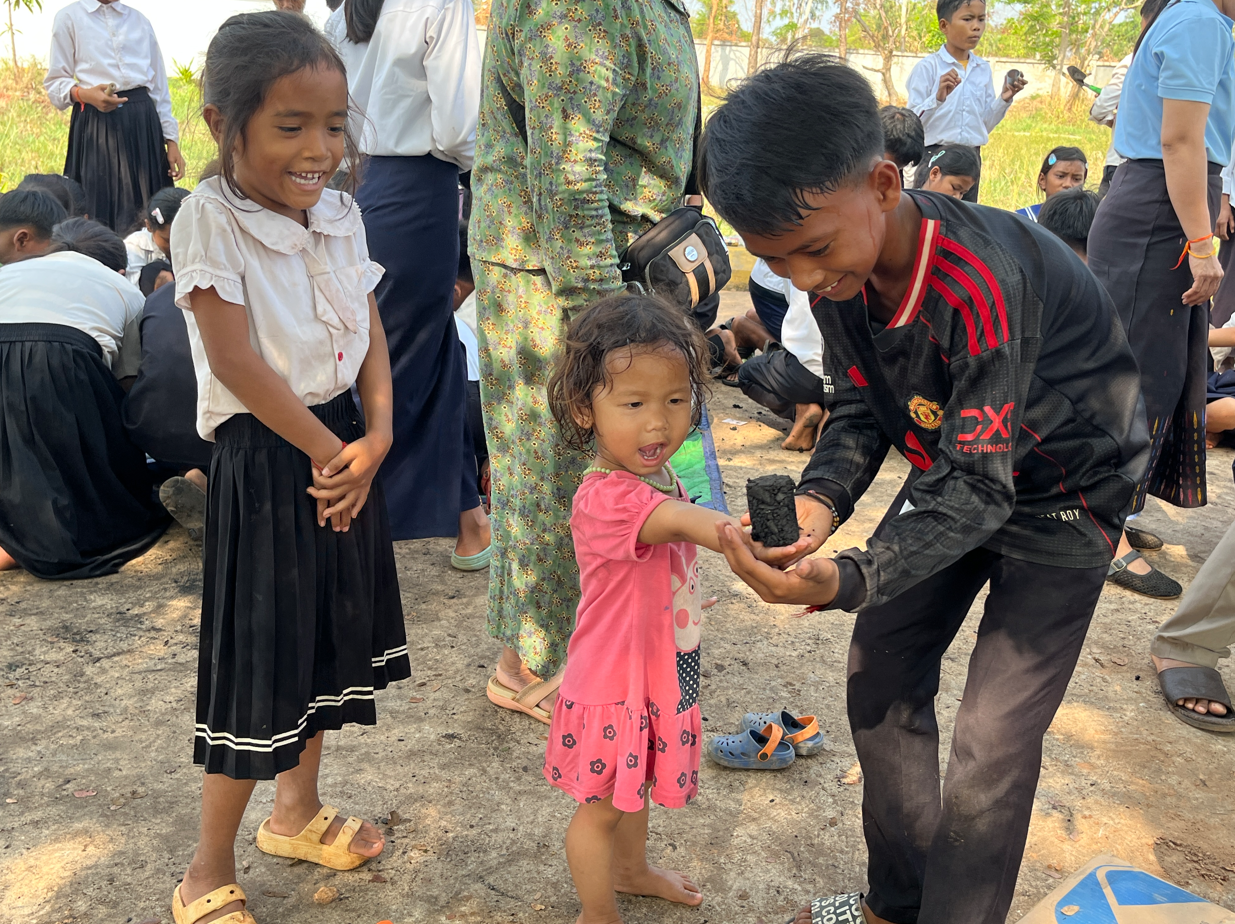
Photo. 5: Workshop on bio-briquette production at a school in Siem Reap Province, Cambodia (Project 2-2)